Lemon Sharks 01 Feeding Behavior YouTube

Lemon sharks mostly chow down on bony fish, crustaceans and an occasional seabird, but they're also part of the 1 percent of fish that practice cannibalism — large adult lemon sharks are known to eat smaller lemon sharks or babies. We humans may not be on their dinner menu, but in some areas, they're on ours. Lemon sharks are hunted commercially and recreationally, and their fins are sold.
Sicklefin Lemon Shark at Shark Reef Marine Reserve, Fiji with Beqa Adventure Divers Ltd by Tom
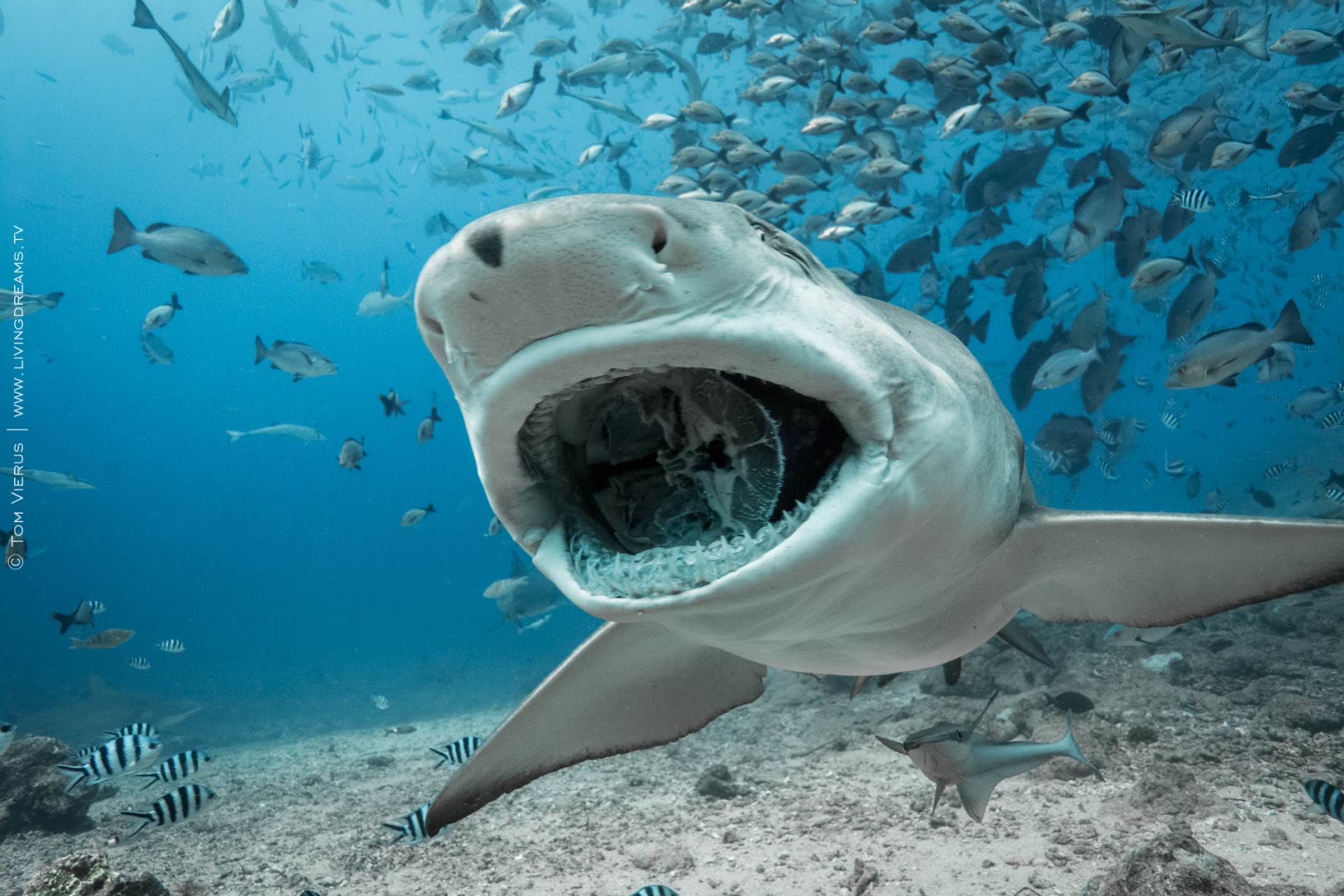
The lemon shark is just one of the over 1,000 species of shark you can find across the globe. Because of potentially depleting population sizes, the lemon shark is currently considered "Near Threatened.". Lemon sharks will eat all sorts of sea animals, including insects. With that in mind, though, lemon sharks especially love eating fish.
Tiger beach lemon shark bait feeding
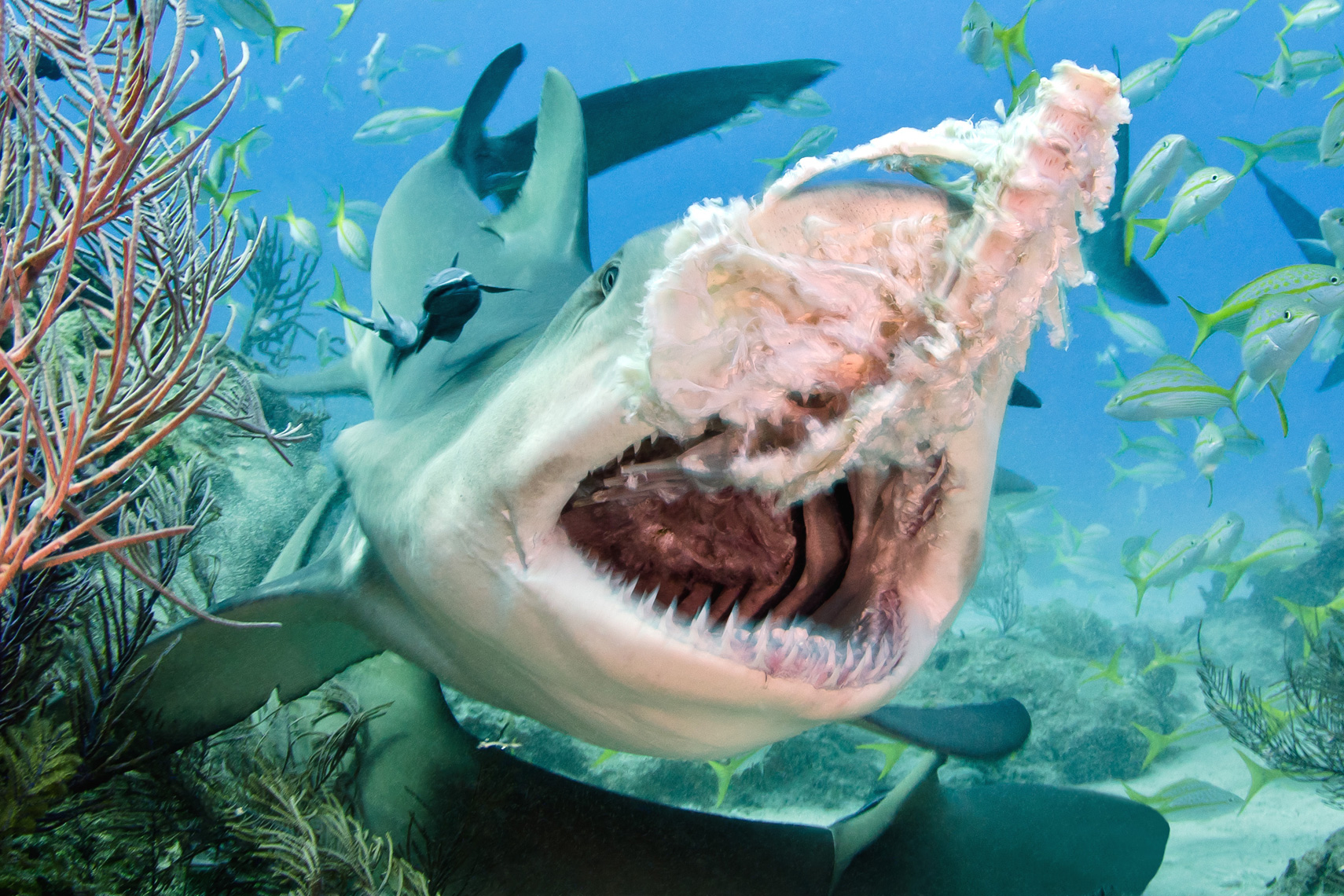
The lemon shark (Negaprion brevirostris) is a species of shark from the family Carcharhinidae and is classified as a Vulnerable species by the International Union for the Conservation of Nature. Lemon sharks can grow to 3.4 metres (11 ft) in length. They are often found in shallow subtropical waters and are known to inhabit and return to specific nursery sites for breeding.
Lemon Shark Facts CRITTERFACTS

The lemon shark, both sicklefin and OG, is not yet endangered, as of August 2021, but it is listed as vulnerable (one step up from endangered) and on the decline. Lemon sharks are targeted by private and commercial fisherman for their meat, skin, and fins. You can eat lemon shark, and many consider it a delicacy.
Lemon shark All you need to know on Lemon Sharks

The legality of eating sharks depends on the species and the country. In many countries, including the United States, eating certain species of sharks is legal. However, some species are protected under international law, such as the great white shark, whale shark, and basking shark.
Sal Lemon Shark Experience musement
Heat some oil to shimmering in a cast-iron skillet, then add the steaks. Lower the heat to medium and cook for 5 to 6 minutes per side, turning just once, depending on thickness. The steaks or fillets can also be cut into cubes and skewered for cooking either over a grill or in the oven.
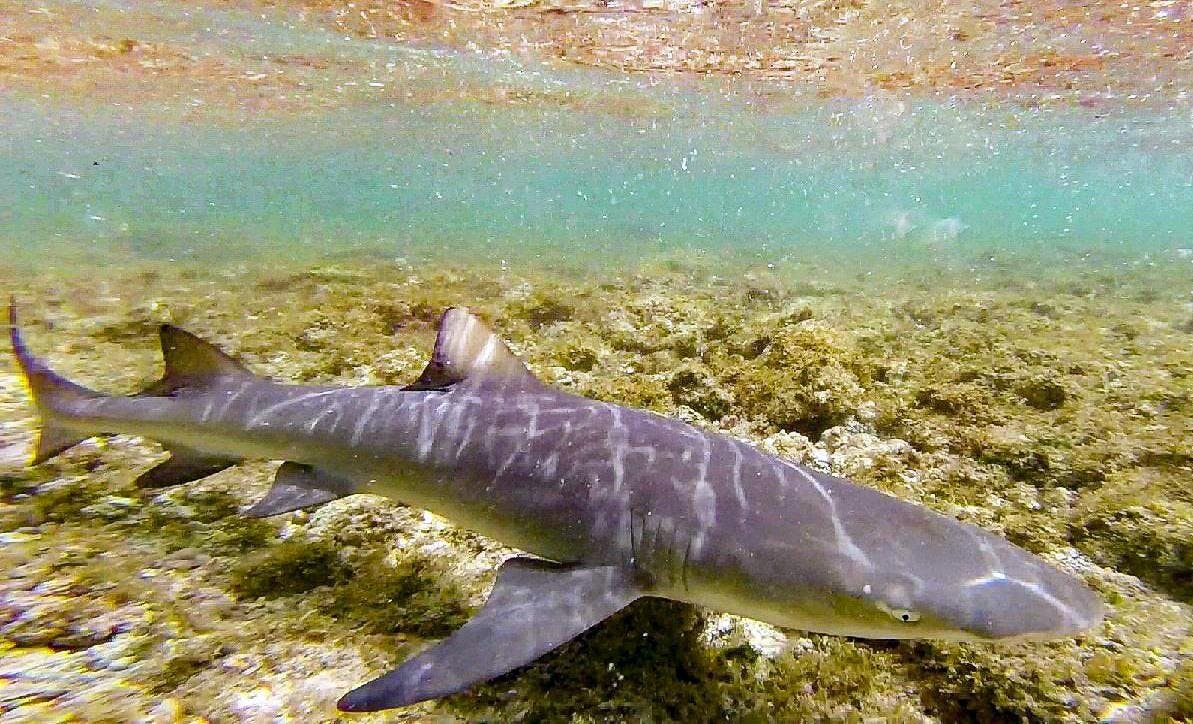
Sicklefin lemon shark Negaprion acutidens a photo on Flickriver

The Lemon Shark is also classified as a requiem shark, which contains 60 species and 12 genera. These sharks are migratory and give birth to live young. They are in the order carcharhiniformes, which contains over 270 species and is the largest order of sharks. These sharks have two dorsal fins, an anal fin, and five-gill slits.
Facts about sicklefin lemon sharks GVI GVI
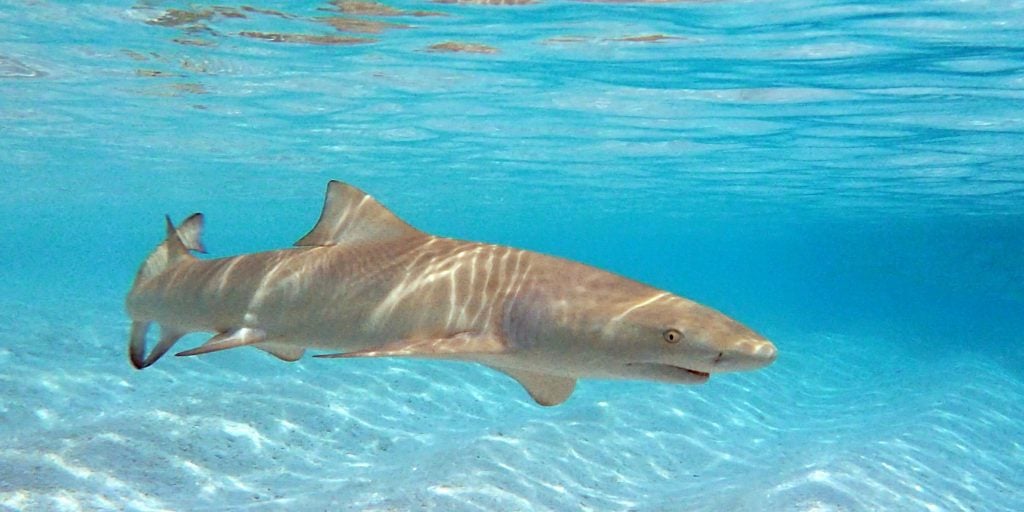
Most members of this species are 8 - 10 ft. long, though the largest recorded lemon shark was over 11 ft. in length. The vast majority of animals weigh around 200 lbs. on average, but individuals can reach weights up to 405 lbs. These sharks have long, slender bodies with a slightly flattened shape.
My Reference Lemon Shark Lemon Shark Diet

Whether hunting alone or in packs, the lemon shark is a fearsome predator with a distinctive yellow hue. Despite being one of the most studied sharks, the lemon shark still has quite a few secrets.
Lemon Shark sharks
Lemon sharks spend a lot of time in the sand looking for their prey, including fish, rays and crustaceans. Lemon sharks have very few predators because of their large size, but sometimes large lemon sharks will eat baby lemon sharks. They're not alone, mako sharks and tiger sharks have been seen to exhibit cannibalism as well.
Lemon Shark Facts Description, Behavior, Conservation
:max_bytes(150000):strip_icc()/GettyImages-582022185-5bbdc639c9e77c0051a8c7a6.jpg)
5: Social behavior: Lemon sharks are social animals, often forming schools and exhibiting cooperative behavior. 6: Live long lives: Lemon sharks can live up to 20 years in the wild, making them one of the shark species that are long-lived. 7: Excellent swimmers: Lemon sharks are excellent swimmers, able to swim quickly and easily through the water.
The Lemon Shark Is a (Relatively) Friendly Shark HowStuffWorks
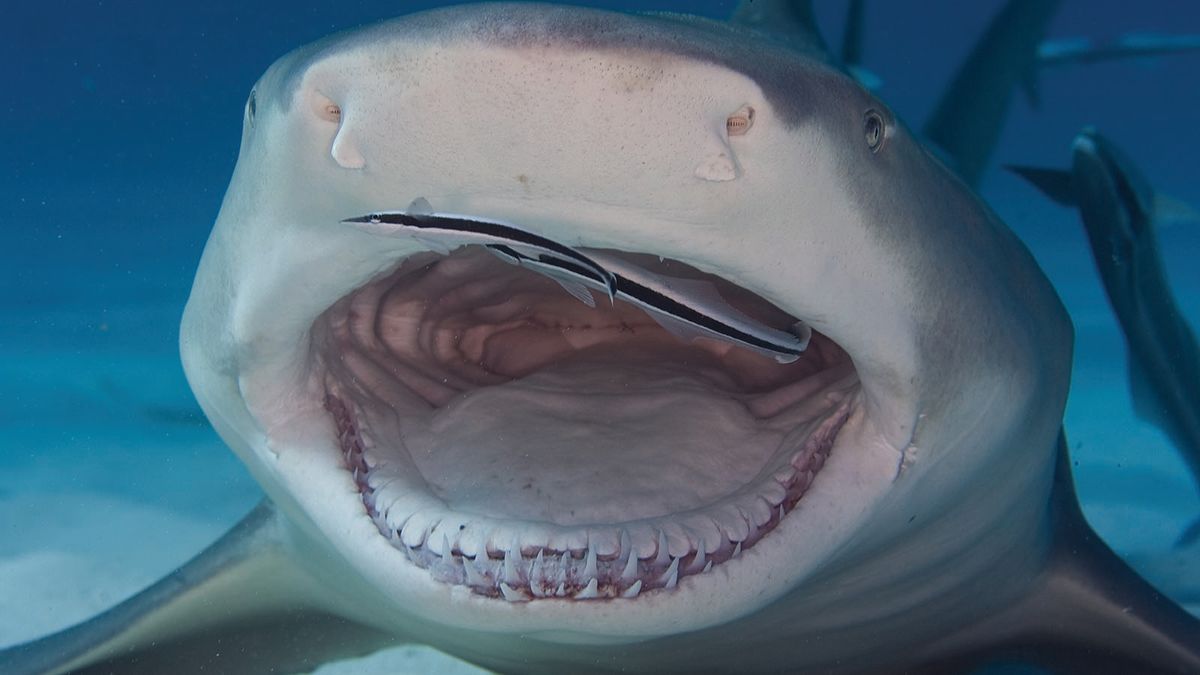
Fast Facts: Lemon Shark. Scientific Name: Negaprion brevirostris. Distinguishing Features: Stocky, yellow-colored shark with second dorsal fin almost as large as the first. Average Size: 2.4 to 3.1 m (7.9 to 10.2 ft) Diet: Carnivorous, preferring bony fishes. Lifespan: 27 years in the wild. Habitat: Coastal waters of the Atlantic and Pacific.
Lemon Shark Facts Description, Behavior, Conservation
:max_bytes(150000):strip_icc()/GettyImages-186472067-5bbdb98fc9e77c0058b5e843.jpg)
Not only does it give it a hint of lemon, but it also takes less time. Depending on the size of your shark steaks, you can usually have a shark ready for the grill in less than 30 minutes. When you soak it in buttermilk, you will need to let it soak for about 24 hours just to be sure all the ammonia taste is gone.
Virginia Living Museum Lemon Shark update Virginia Living Museum
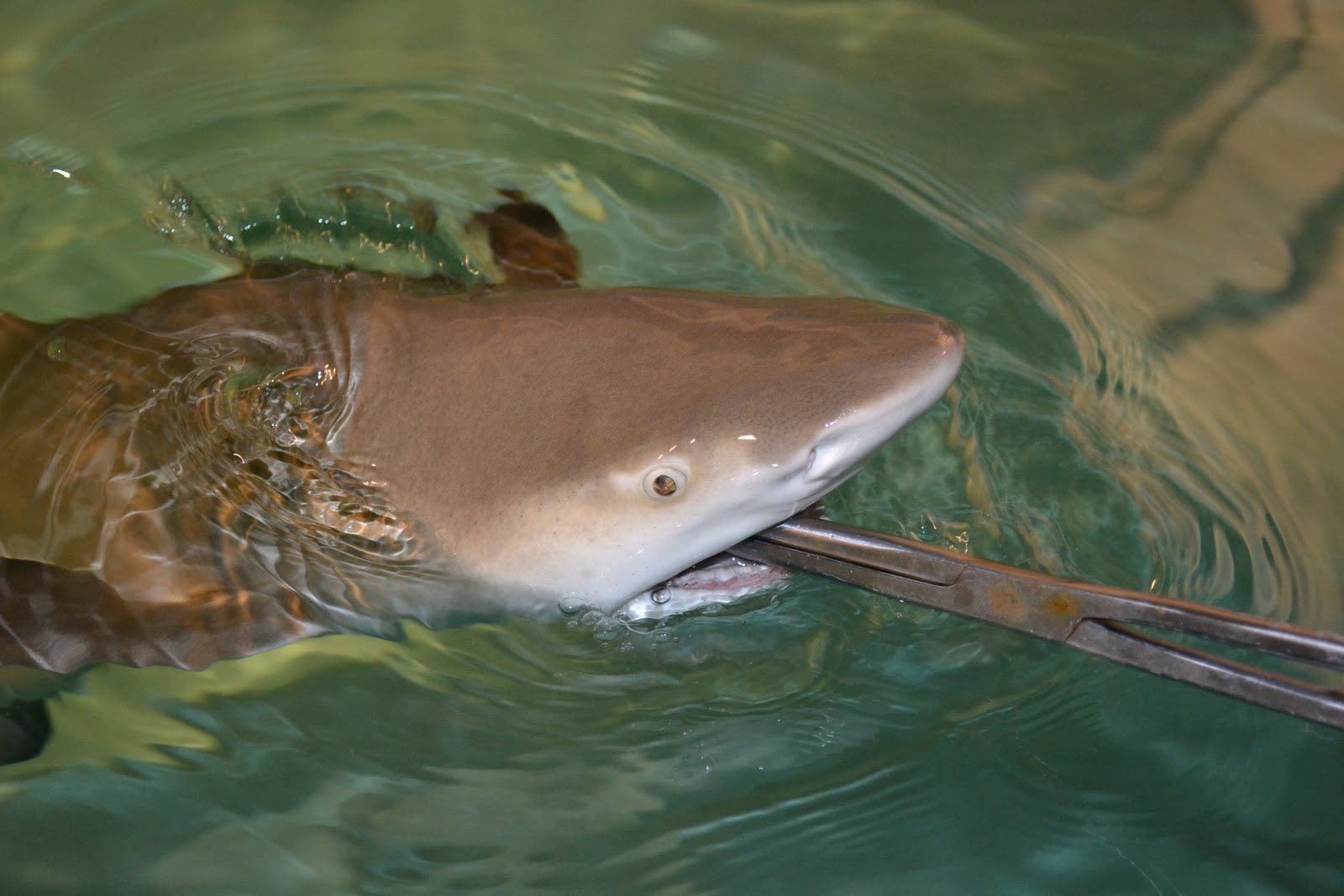
Lemon sharks seek out mangrove swamps, enclosed bays, and coral reefs. These sharks are a migratory species and will inhabit deeper water while migrating. Lemon sharks are highly adaptable. They can live in saltwater, freshwater, and brackish water. They often travel near the mouths of rivers and sounds.
Lemon Shark Eating a Fish SE Florida Etsy
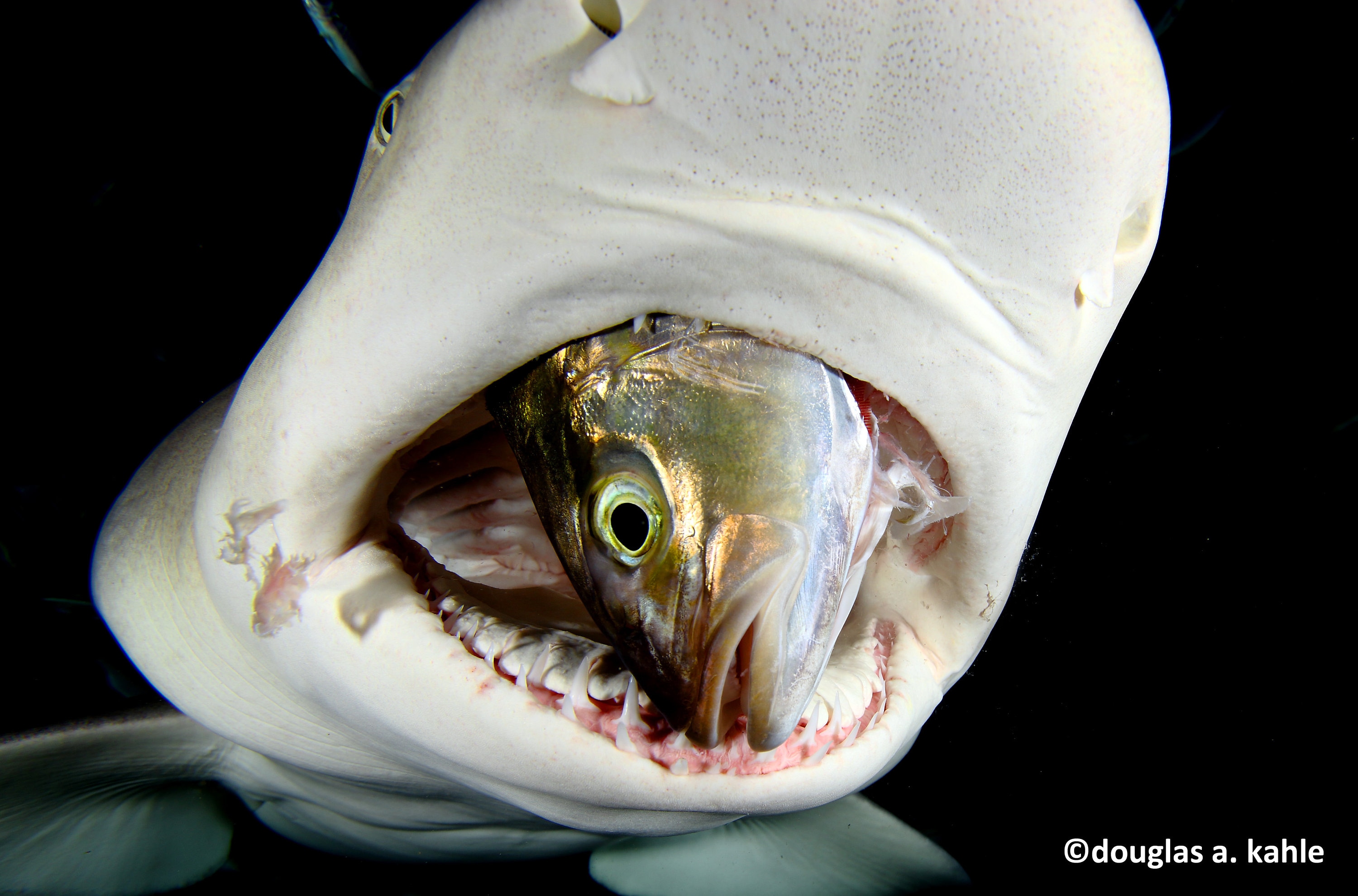
The lemon shark is a medium-sized shark species that is native to the western coast of Africa, as well as the Atlantic and Pacific coasts of North and South America. The lemon shark is a nocturnal predator, feeding on fish cooperatively in small groups. The shark gets its name from its slightly yellow coloration, which helps it camouflage into the sandy bottom of shallow coastlines.
What Do Lemon Sharks Eat? American Oceans

The lemon shark (Negaprion brevirostris) is a species of shark from the family Carcharhinidae and is classified as a Vulnerable species by the International Union for the Conservation of Nature.Lemon sharks can grow to 3.4 metres (11 ft) in length. They are often found in shallow subtropical waters and are known to inhabit and return to specific nursery sites for breeding.